
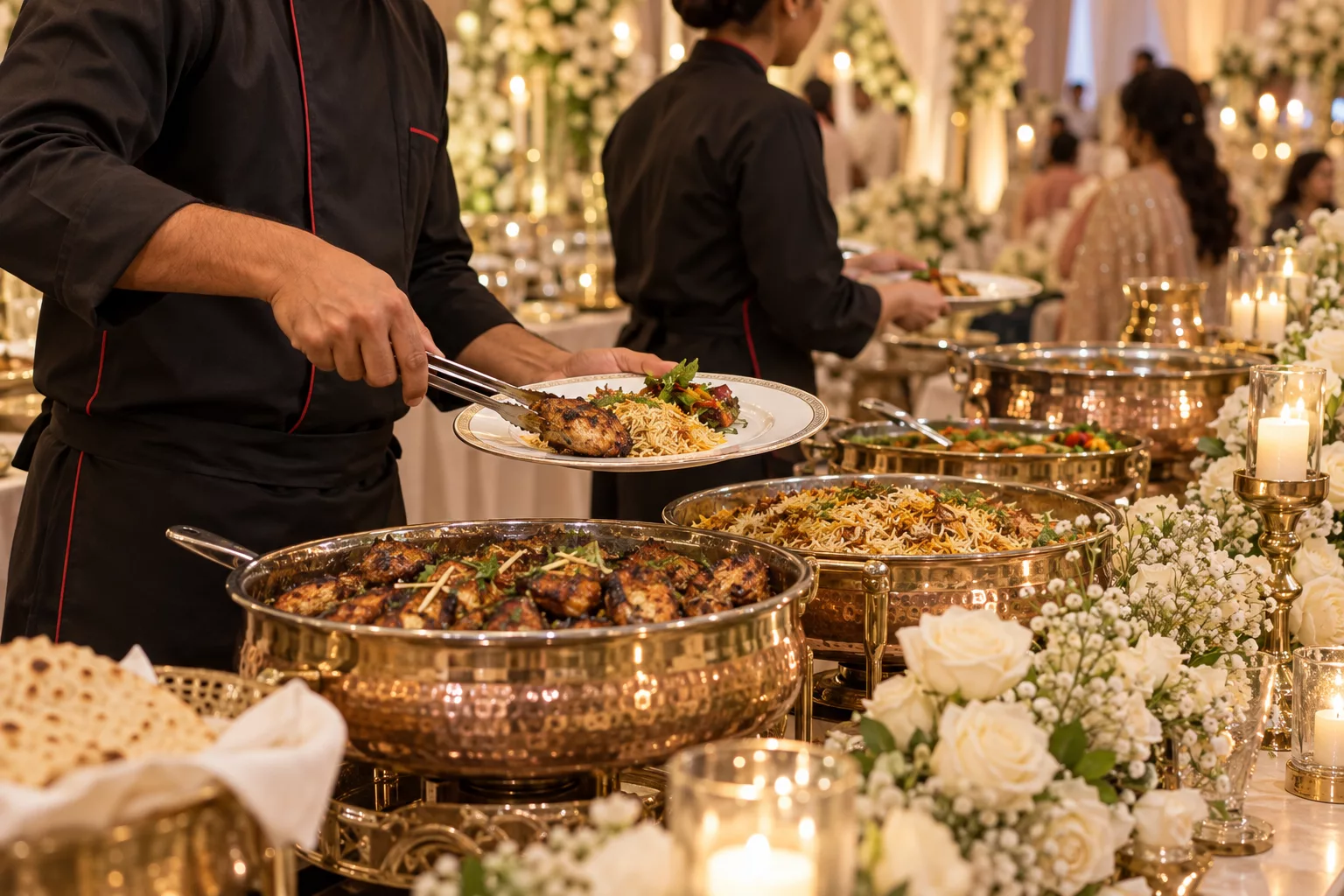
What mattered to the family.
For this Walima in Gujranwala, the family was thinking about the people they would welcome as carefully as the food they would serve. Alongside their personal guests were important business and corporate guests. They wanted the reception to feel generous, polished and comfortable for everyone who joined them.
The occasion carried a sense of responsibility. The family wanted to understand how their guests would be received, how the meal would unfold and how the hospitality would reflect the care they felt for the people attending. A clear picture of the experience mattered to them before the event itself.
That became the starting point for our work together. We brought the menu, service flow and guest experience into the same conversation, giving the family a practical way to think through the celebration.
A consultation that made the celebration easier to picture.
We used the consultation to understand what the family wanted their reception to feel like. Food preferences were part of that discussion, alongside the guest mix and the standard of hospitality they expected. Those details helped connect the wedding menu with the people it was being prepared for.
The conversation gave the family a clearer view of how the parts of the event would work together. Their choices could be considered in the context of a full reception, with attention to the serving and welcome around the meal.
For us, this is an essential part of Walima catering. Listening carefully at the beginning gives the food and service a shared direction. It also gives the family room to raise the questions that matter to them before the celebration arrives.
Helping them see the service flow before the day.
We walked the family through the service flow so they could visualise the hospitality experience beforehand. The discussion connected the welcome, the dining experience and the care around the food into a sequence they could understand.
For their business and corporate guests, they wanted a reception that felt considered and professionally handled. We helped them picture that experience within the warmth of a family celebration: guests being welcomed, food being presented and the service supporting the hosts as they spent time with the people attending.
That walkthrough gave the consultation a practical focus. It allowed the family to discuss how they wanted the occasion to work, with the food and hospitality considered together. The planning process starts with those conversations and carries them into an agreed scope.
Tasting the food before welcoming their guests.
The family tasted the food before the event. That gave them direct experience of the flavour and quality they were discussing, and a firmer basis for feeling confident about the meal their guests would receive.
A wedding food tasting makes the menu conversation tangible. It gives a family the chance to consider the food for themselves, alongside their expectations for presentation and service. For this reception, the tasting was part of the preparation that took place before the day.
The menu and the hospitality now belonged to the same picture: food the family had experienced, and a service flow they had already talked through. That preparation gave the celebration a clear direction.
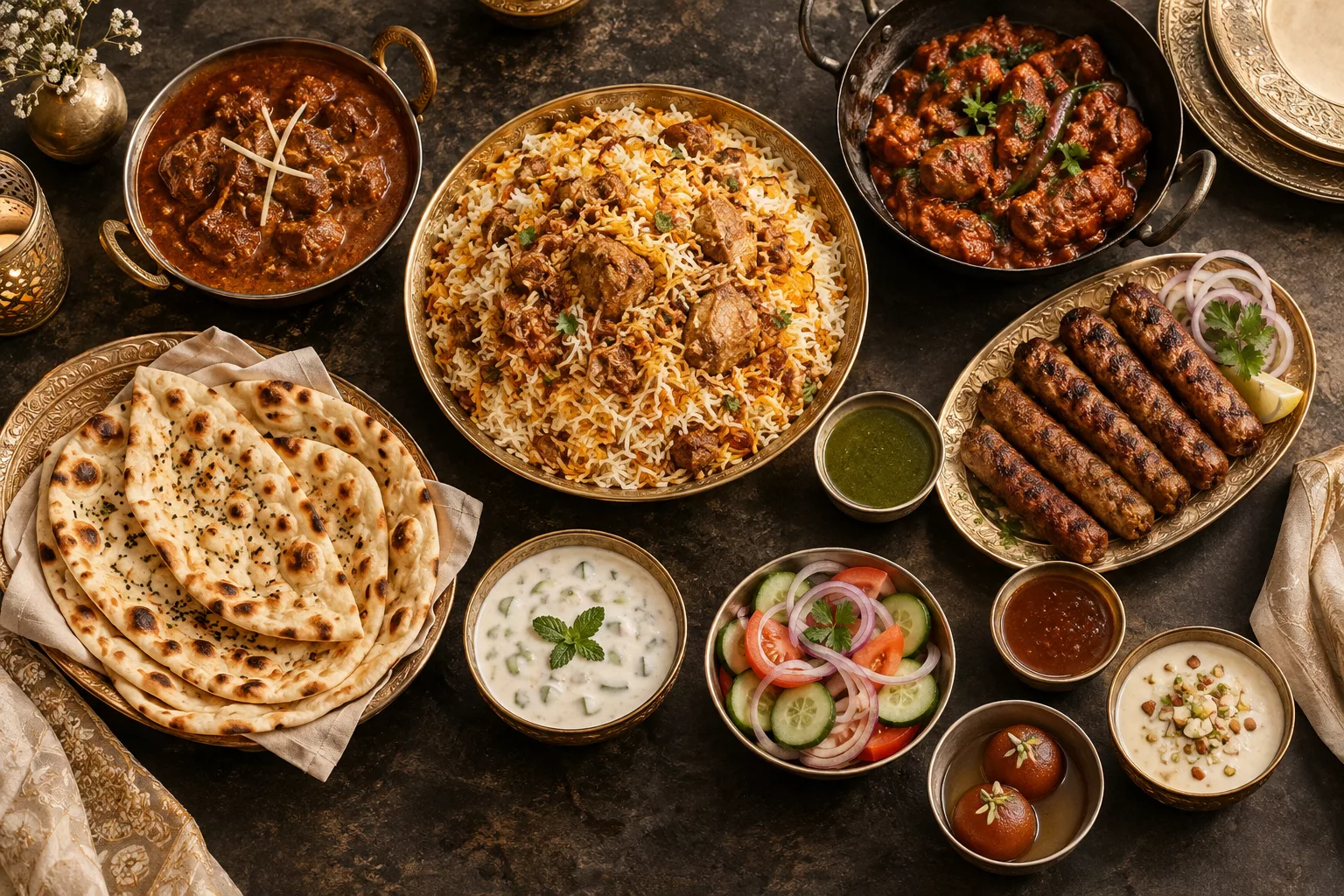
When more guests joined the celebration.
On the day of the Walima, the number of guests increased. The service had to respond to the gathering as it developed, while keeping the family’s expectations for food and hospitality in view.
We adapted the food service to the increased attendance and continued to look after the guests. The reception’s execution held up as the gathering grew, carrying the hospitality the family had discussed beforehand into the event itself.
This was the point where the preparation met the demands of a live celebration. A wedding reception needs coordination around the meal as well as the menu itself. The family had taken time to visualise the experience; our responsibility was to deliver that care as more people joined them.
Appreciation that continued beyond the reception.
After the event, the family expressed strong praise and appreciation. Their response followed the whole experience: the consultation, the opportunity to picture the hospitality, the tasting and the execution of the reception as guest numbers increased.
They also recommended Grand Taste to others. That recommendation is a meaningful part of this story, carrying the family’s confidence in the service into conversations beyond their own celebration.
For us, it brings the story back to what mattered at the beginning. The family wanted to welcome their personal and business guests with care. The preparation helped them picture that experience, and the service on the day earned their appreciation.
Start with the experience you want your guests to share.
If you are planning a reception, begin with your guests, the setting and the food your family wants to share. Talk about the service as well as the wedding reception menu, and make time to understand how the meal will work within the celebration.
Explore our catering services in Gujranwala and wedding catering packages, then discuss the guest count, venue and service responsibilities in your own proposal. The Full-Table Promise explains the written guarantees offered for current bookings.
Every family brings a different gathering. You can also read about the winter farmhouse Walima in Lahore, where a different menu and setting gave another reception its own character.